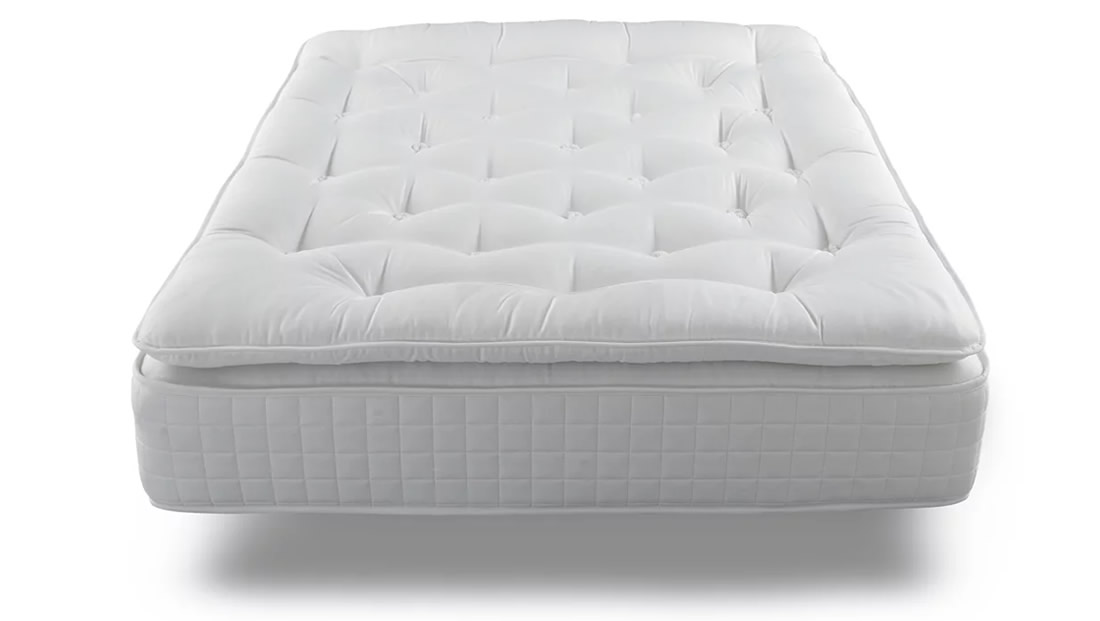
Your mattress is more than just a place to sleep; it's an essential part of your well-being. The right mattress can improve sleep quality, reduce stress, and even help with chronic pain, while the wrong one can leave you tossing and turning all night. Whether you’re upgrading or buying for the first time, this guide will help you navigate the world of mattresses and make an informed decision.
Why the Right Mattress Matters
A good mattress isn’t a luxury—it’s essential for your physical and mental health. Poor-quality sleep can lead to a host of issues, including:
- Back and neck pain: An unsupportive mattress can exacerbate pain, leaving you with aches and stiffness.
- Fatigue: Interrupted or poor sleep affects mood, productivity, and focus.
- Sleep disorders: Insomnia, sleep apnea, and other issues can be worsened by the wrong sleep surface.
Getting the right mattress is a long-term investment in your health, and selecting the one that suits you requires some careful consideration.
Types of Mattresses
There are several types of mattresses on the market, each offering different benefits based on materials and construction. Understanding the options will help narrow down your search.
Pocket Sprung Mattresses
Typical fillings: Natural fibres, Polyester or Foam
- Pros: Good for couples since each spring operates independently, motion transfer is minimised. If one person moves during the night, the other is less likely to feel it.
- Cons: High-quality pocket sprung mattresses can be more expensive compared to traditional open coil or basic foam mattresses. The craftsmanship and materials used often reflect this price.
> Shop Pocket Sprung Mattresses
Open Coil Mattresses
Typical fillings: Polyester fibres
- Pros: Open coil mattresses are traditional and widely available. They provide strong support, especially for those who sleep on their back or stomach. They also tend to be more affordable and offer better airflow, which can help keep you cool at night.
- Cons: Open coil mattresses can wear out more quickly and may not provide the contouring needed for people with joint pain or who sleep on their side.
> Shop Open Coil Mattresses
Foam Mattresses
Typical fillings: Reflex or Memory foam
- Pros: Foam is known for its ability to conform to the body, providing pressure relief and support in areas like the shoulders and hips. This makes it ideal for side sleepers or people with joint pain.
- Cons: Some mattresses containing memory foam can trap heat, making them less suitable for hot sleepers, look for gel infused foam to counter this.
> Shop Foam Mattresses
Key Considerations When Buying a Mattress
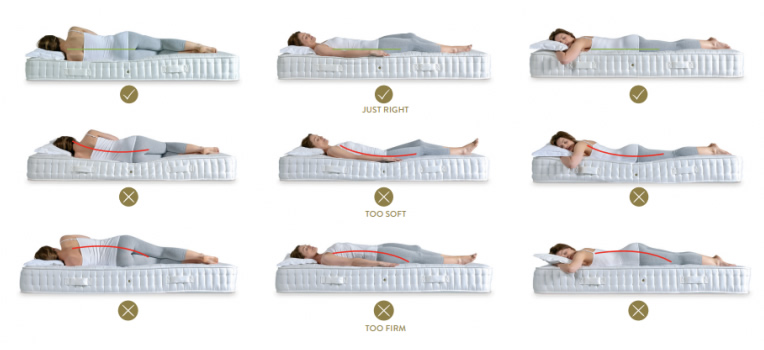
When it comes to buying a mattress, several factors should influence your decision:
Sleep Position
- Back Sleepers: A medium-firm to firm mattress provides the best spinal support.
- Side Sleepers: A softer mattress that cushions the shoulders and hips is ideal.
- Stomach Sleepers: A firm mattress is best to prevent the spine from arching too much.
Firmness Level
Firmness is subjective, but generally:
- Soft: Ideal for those who need extra cushioning for joints.
- Medium: A balance between support and comfort, suitable for most sleep positions.
- Firm: Provides solid support, often recommended for back or stomach sleepers or heavier individuals.
The aim is to keep your spine level, a quick test is to lay on your back, slide your hand into the small of your back, if the mattress is too soft; you’re sinking too far into the mattress thus you’ll struggle to push your hand in, on the flip side if it slides under too easy, it’s probably too firm, a little bit of friction is about right.
Weight
Your body weight influences how a mattress feels:
- Lighter individuals (under 70kg / 11st) often prefer softer mattresses because they don’t sink as much.
- Average weight individuals (70-90kg / 11-14st) typically do well with medium-firm options.
- Heavier individuals (over 90kg / 14st) may need a firmer, more supportive mattress to avoid excessive sinking.
Motion Isolation
If you share a bed with a partner, motion isolation is key. Pocket Sprung mattresses typically excel in reducing motion transfer, while Open Coil mattresses may not absorb movement as well.
Temperature Regulation
Hot sleepers should consider mattresses that offer good breathability and cooling technology. Natural fibre mattresses and gel infused foam models tend to stay cooler, while memory foam can sometimes retain heat.
Conclusion: Sleep Better with the Right Mattress
Your mattress is one of the most important pieces of furniture in your home. It affects your sleep quality, health, and well-being, so don’t rush the buying process. By understanding the different types of mattresses, considering your personal sleep needs, and taking your time to test options, you’ll be well on your way to choosing the perfect mattress for a great night’s sleep.
Invest in your rest—you won’t regret it!